

#MotivationalMondays
“The only thing worse than starting something and failing … is not starting something.” – Seth Godin
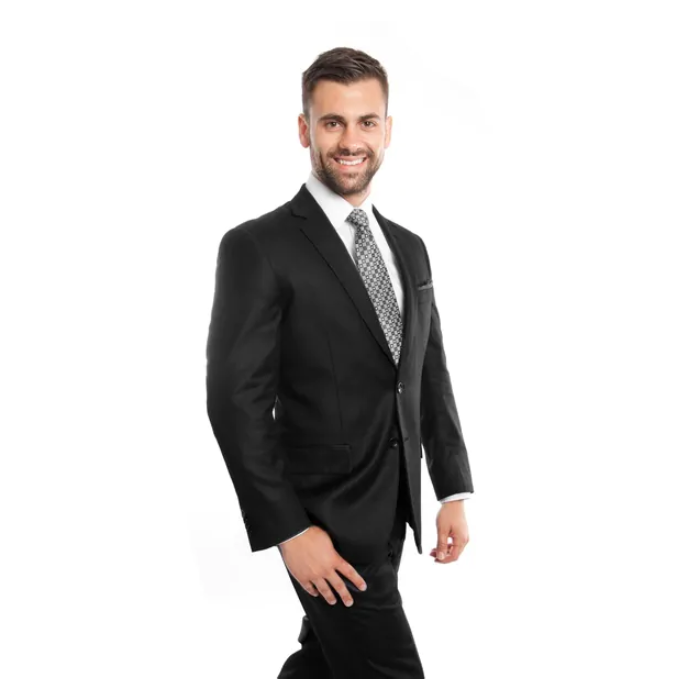
For starters who are clueless on what standard dress code is in a business formal environment, start with a full matching business suit, including a jacket and dress pants. Darker colors are more formal. Besides matching pants and jacket, it is recommended to wear button-up collared shirt, teamed up with a tie. Wearing bold and bright colors or patterns in dress shirts is a strict no no. Instead go for beige or light blue or white for collared shirts. The tie’s colors and tones should match your suit and dress shirt.
Author: Carmen Bucco
SemiFormal Wedding Outfit
#WeddingsByBucco
“Many people spend more time in planning the wedding than they do in planning the marriage.” — Zig Ziglar
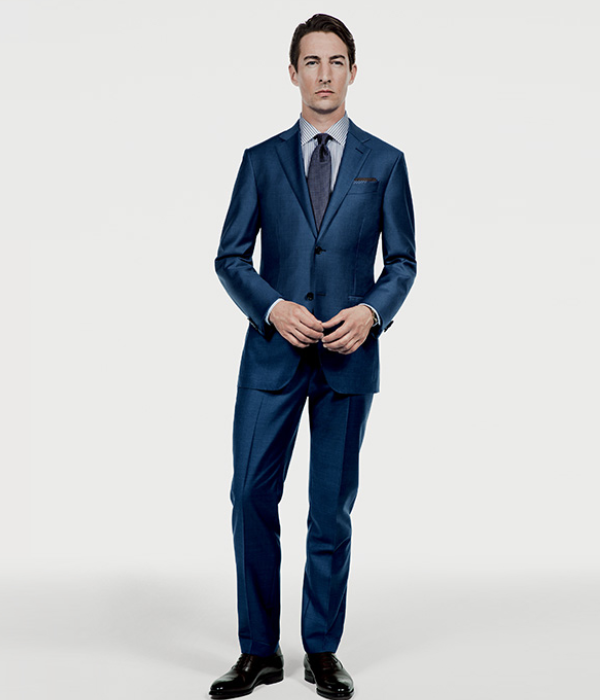
In a semiformal setting, if you aren’t wearing a tux, but a suit and tie during the colder months, you’re likely to see darker colors and heavier fabric materials. But do ensure that the suit should match, and you should still be wearing a collared shirt.
All Black For This Friday
#FreestyleFridays
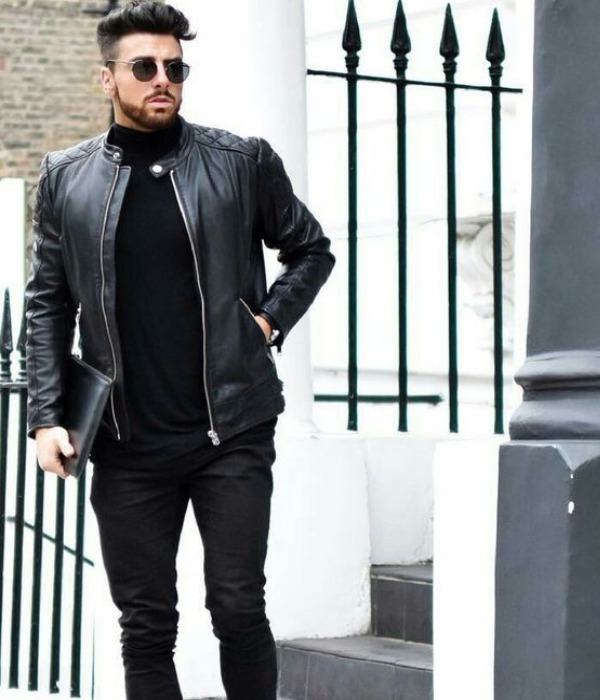
If you’re anything like me and love putting on all black outfits, then this fall outfit is just the thing for you. Here’s a hit casual outfit combo this week: Black Crew Neck Tee + Black Overcoat + Black Jeans + Black Sneakers
60’s Golf Outfit
#ThrowbackThursdays
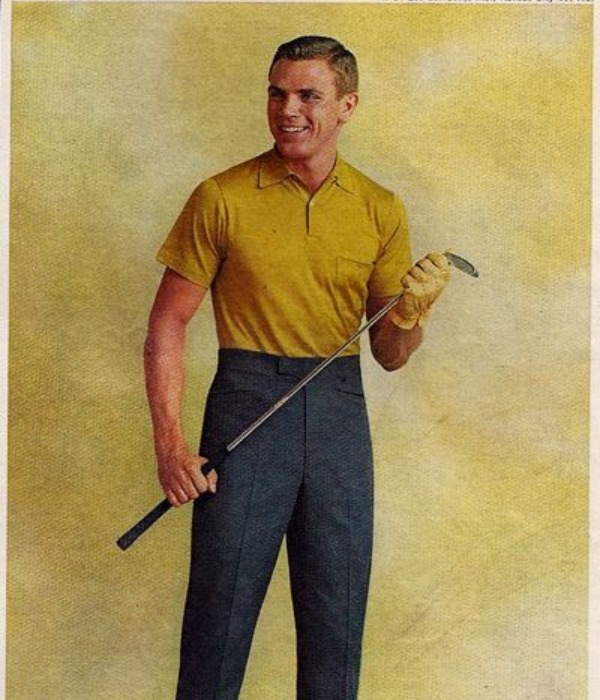
In the 1960’s, golf trousers were seemingly solid colors in gay pastels and primary colors in spring and summer. Plain dark colors feature for the rest of the year. Prints were also not uncommon, particularly windowpane and small checks. Men also wore leather belts; shirts were always tucked into the pants.
Shacket – Somewhere Between shirt & jacket

#WearitWednesday
Talk of a practical layering piece, a shacket, somewhere between a shirt and a jacket should pop up right out of the closet. Made from materials that are bulkier than an Oxford button-down to stay cozy in the cold, it still retains the slim cut of the long-sleeved shirt. It’s basically two items of clothing but for the price of one. You can afford to buy twice as many, do I make sense?
Tips For Perfect Fit Pants
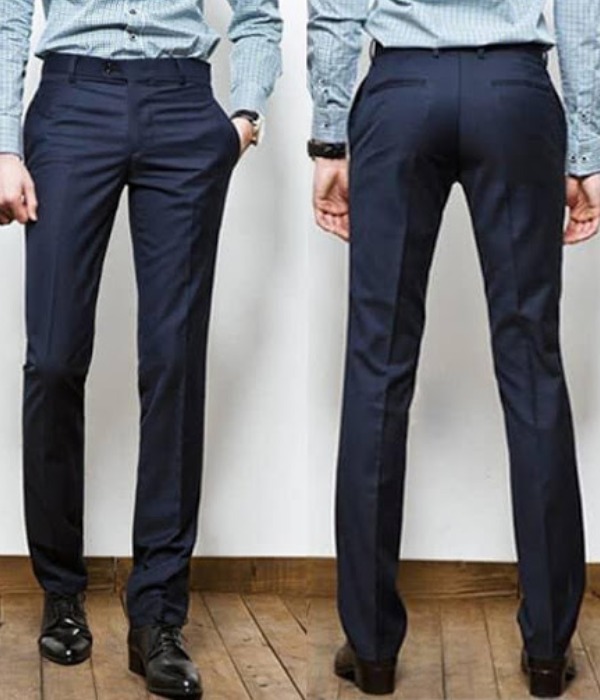
#TeachingTuesdays
Here’s a quick check if your pants fit comfortably.
It is advisable to insert one finger on the waistband. If the pockets flair out, it is too tight; if the hips are sagging, it is too loose.
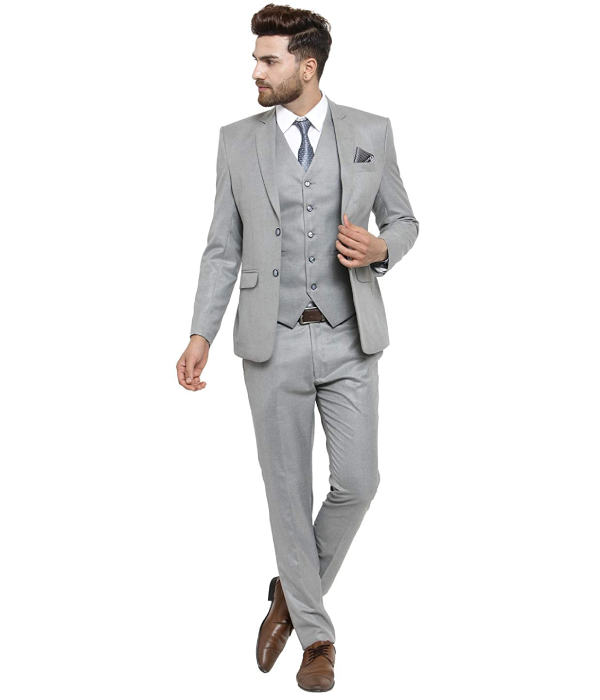
This Monday, Go Grey!
#MotivationalMondays
You’ll find that implementing small changes can have a significant impact on your life. Remember – little hinges swing on big doors. –S. J. Scott
Let’s alternate the color of the Monday suit a bit this week: regular grey with its brethren light grey. Coming as the preferred choice for fall dressing, the light grey suit is bit casual, and can break the shackles of the monotony of always wearing the regular shades. This will also allow you to infuse patterns including checks or herringbone into the suit as they are readily visible.
FALL IS ALMOST DONE, BUT THE COLORS LIVE ON
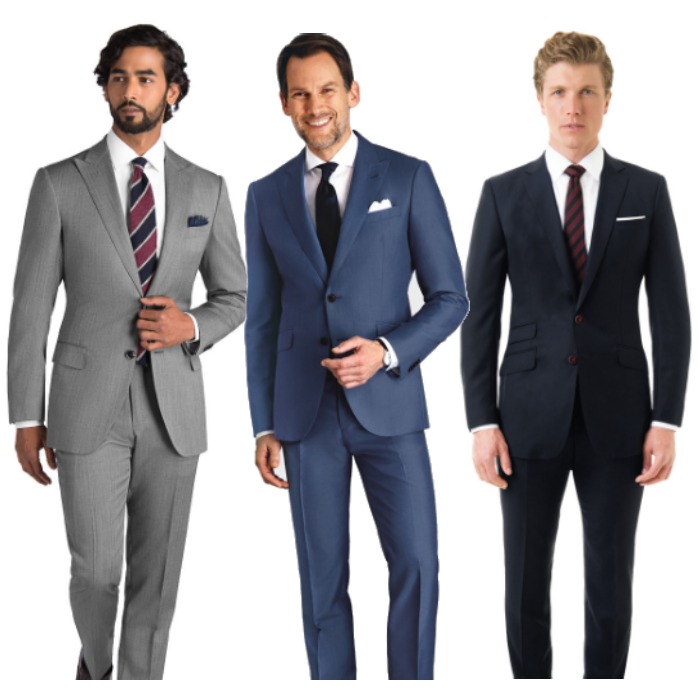
Men’s fashion gets no better than appropriately pairing with the unexpected to create an eye-popping look. We are approaching the fag end of fall, but the season colors live on and continue to inspire us. No wonder autumn is all about vibrant and exuberant palette of colors. A mix of traditionalism and the right color suits will put you in good stead this season.
Light Gray Suit:
A default choice for fall is a light gray suit, a perfect twist to the classic gray, as it can be adapted for more formal occasions or dressed down for a casual set-up. Gray can complement well with a plethora of colors—whether bold or subtle. I recommend wearing a light gray suit with plaid or pinstripes that’d give you an edge over others.
A default choice for fall is a light gray suit, a perfect twist to the classic gray, as it can be adapted for more formal occasions or dressed down for a casual set-up. Gray can complement well with a plethora of colors—whether bold or subtle. I recommend wearing a light gray suit with plaid or pinstripes that’d give you an edge over others.
Navy Blue Suit:
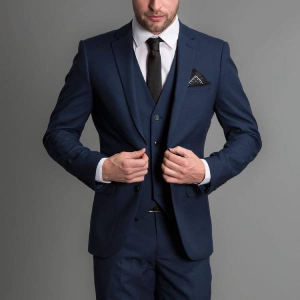
A classic suit color, navy, is perfect for fall outfit. You can spice up the suit by wearing jewel tones. You can even heighten the visual look by including some texture to the suit fabric. A navy blue suit can stand out whilst still lending a professional look. If you’re looking for a more vintage-inspired feel, then this is for you.
Royal Blue Suit:
If you’ve a special occasion to attend or preside a key meeting, where you’re required to make a strong statement, a royal blue suit is all you need. Don’t make it too loud: wear a plain sheet underneath; maintain an accent color for your tie such as a subdued golden yellow. The royal blue suit color is guaranteed to enhance your style and confidence, and turn a few eyeballs towards you.
A classic suit color, navy, is perfect for fall outfit. You can spice up the suit by wearing jewel tones. You can even heighten the visual look by including some texture to the suit fabric. A navy blue suit can stand out whilst still lending a professional look. If you’re looking for a more vintage-inspired feel, then this is for you.
Royal Blue Suit:
If you’ve a special occasion to attend or preside a key meeting, where you’re required to make a strong statement, a royal blue suit is all you need. Don’t make it too loud: wear a plain sheet underneath; maintain an accent color for your tie such as a subdued golden yellow. The royal blue suit color is guaranteed to enhance your style and confidence, and turn a few eyeballs towards you.
Charcoal Gray Suit:
A charcoal gray suit is an effective mark of sophistication and intrigue. Trust me, you’d look like a born to be professional that demand attention. The fall season is the most perfect for charcoal gray suit as you can accessorize it with just about anything and still look formal.
A charcoal gray suit is an effective mark of sophistication and intrigue. Trust me, you’d look like a born to be professional that demand attention. The fall season is the most perfect for charcoal gray suit as you can accessorize it with just about anything and still look formal.
Black Suit:
There’s an air of mystery around a black suit and the fall season offers you the leeway to be both mysterious and elegant. Any man’s wardrobe is inherently incomplete without a sharp-looking black suit. Accessorize the suit with a black tie for a cover or luxurious look.
There’s an air of mystery around a black suit and the fall season offers you the leeway to be both mysterious and elegant. Any man’s wardrobe is inherently incomplete without a sharp-looking black suit. Accessorize the suit with a black tie for a cover or luxurious look.
We would love to dress you up with the best fall suit that fits your style and theme. We specialize in custom, bespoke professional menswear, and offer nothing short of the best experience with an emphasis on the finest of details. Make your town talk of your new-found fashion sense this fall.
THE ART OF LAYERING FOR MEN THIS FALL
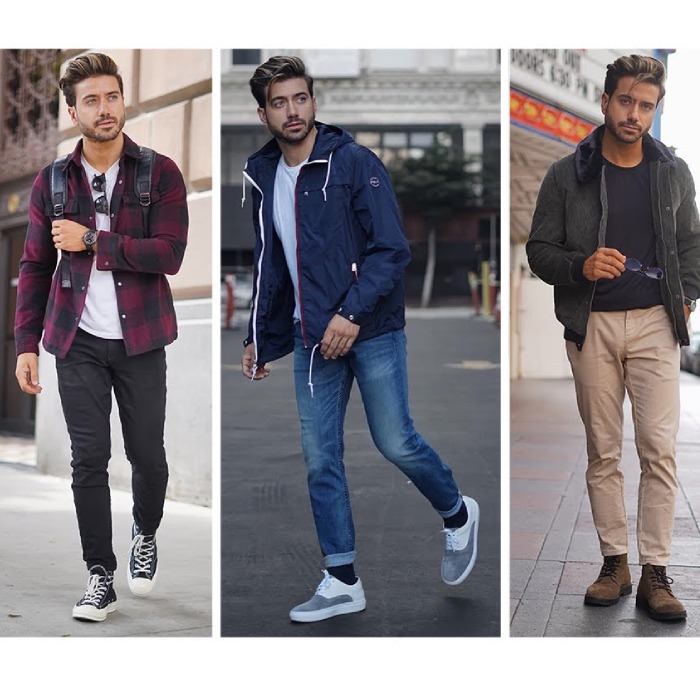
Let’s say I was able to convince you to layer your outfit this fall. How do you go about this?
The art of layering for men this fall
Let’s say I was able to convince you to layer your outfit this fall. How do you go about this?
# When it comes to visible layers, your undershirt sometimes can be flimsy and shoddy, but never an issue as long as it is discreet. Go for a simple sleeveless cotton shirt, extremely comfy and practical under-layer. If the under-shirt is seemingly tacky, then this isn’t for you.
# Do you have your untucked shirt tails jutting out of your sweater? It isn’t a great look at all. You shouldn’t try this out unless you desperately want to. In other words, never go for a blazer or sports jacket that is visibly longer than the coat on top of it during chiller months.
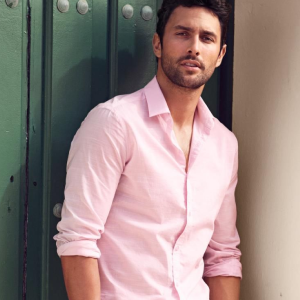

Let’s say I was able to convince you to layer your outfit this fall. How do you go about this?
# When it comes to visible layers, your undershirt sometimes can be flimsy and shoddy, but never an issue as long as it is discreet. Go for a simple sleeveless cotton shirt, extremely comfy and practical under-layer. If the under-shirt is seemingly tacky, then this isn’t for you.
# Do you have your untucked shirt tails jutting out of your sweater? It isn’t a great look at all. You shouldn’t try this out unless you desperately want to. In other words, never go for a blazer or sports jacket that is visibly longer than the coat on top of it during chiller months.
# The bright colors conundrum: If you’re provided with a palette of colors to choose from, ensure you select ones that share similarities between a couple of them, and this also implies that only one or two should be vividly bright shades. Wearing a hot pink shirt with green trousers and accessorizing the combo with a lemon yellow scarf is an over-the-top attempt at layering! Allow a couple of things to do the talking, and mute the rest of the outfit. The color difference offers a lot of “pop” on its own without any brightness taking everything forward.
# Alter the degree of pattern brightness from the lightest to strongest. That is to mean in a steady manner. If your topcoat is a classic herringbone tweed with an abundance of mottled color (heavy pattern), go for a muted sports jacket and a shirt of solid color so that the pattern loses its way systematically towards your core. You can also alternate with a plaid shirt; then, put on a jacket or sweater having a slightly visible texture with a solid, soft overcoat on top of it. Whatever be your choice, the transition is subtle and graduated rather than an off the cuff, unsettling back-and-forth.
# There is a practical function of every layer. Inner layers should be light and breathable against the skin, and draw moisture away from it. Coming to shirt layers, they should offer a decent visual anchor functioning as a contrasting layer above others, and be soft and breathable. Middle layers are generally jacket layers, but could also allow a cardigan or vest as a replacement. Outer layers or coat layers are meant for outdoors, and they include wool overcoats, trench coats, peacoats and almost any blazer coat. Shell layers are thin, protective outfits for inclement weather—and anything from Gore-Tex jacket to a waxed cotton field jacket can be choices. I think I’ve got you literally covered—an undershirt, a base shirt, a sweater or jacket, a topcoat, and if required a shell, you’re ready to go.
Super 110’s super 150’s
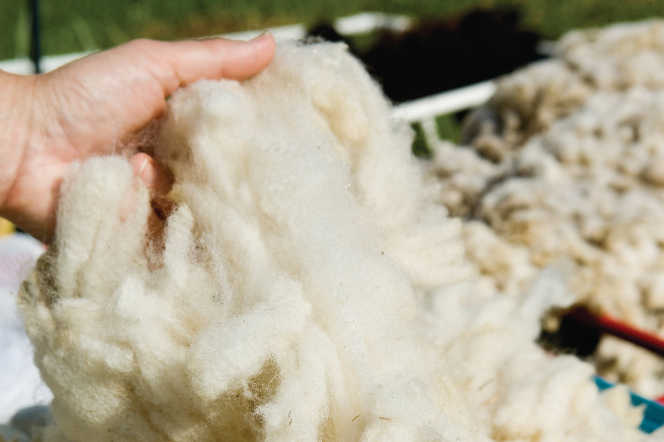
Does “Super 150s Wool” Make For A Great Suit?
Any man feels especially suave and sophisticated when he’s buying a new suit. Even folks with modest financial means are willing to splurge on high-quality formal clothing.
Then it happens: The customer’s eye lights on the tags on a premium suit. It says “Super 180s” wool. And the price is incredibly high. The fabric’s amazingly smooth, it feels great on the hand – but does that mean the suit is something extra special?
The Amazing History of The Super Number
In a world of high technology, the origin story of wool’s super number is laughably arcane. It goes back to the 18th century, when the production of wool became a global industry. Spinners needed a way to quantify the fineness and quality of different vendors’ wool. What they wound up with was counting the number of “hanks,” heavy-duty yarn spools that could be spun from a single pound of wool.
For centuries, the fineness of quality wool ran from 30s to 100s. That started to change in the mid-twentieth century, as refined weaving technology made it possible to break the 100s barrier. Fineness took a big jump, the measurement gained the prefix “Super,” and authorities started measuring with a microscope.
Today virtually all suit wool is over 100s, with numbers above 150s being common for extremely fine suits. Experts predict that 250s wool will enter the marketplace soon, indicating the upper limit of modern possibilities.
Clearing Up Confusion: Important Distinctions To Make
It’s important to understand the distinction between the different terms used to describe the fineness of wool before purchasing a good suit. “Super 110s” indicates fabric that’s fairly fine and spun entirely from wool. A number without the “super” prefix indicates a wool blend, although the fineness requirements are the same.
It should also be noted that because of its weight-to-fineness origins, this measurement is completely different from the “thread count” used to gauge the fineness of other fabrics, like cotton. The modern range of wool used in good suits ranges from Super 100s to Super 150s, with lower fineness grades being practically unheard of. Higher grades exist, though, and they command astronomical prices.
The Truth About Super Wools – Finer Fabric, Poorer Durability
No one can deny that fine wool suits are far lighter and finer than they were just ten years ago. No refinement comes without price, though. As weavers produce lighter and lighter wool, they lose the incredible durability that made wool valuable in the past. Suits crafted from high Super number wool are closer to linen in the way they crease and wear. This means that the high end of the Super number scale is not just rare, it’s also incredibly fragile. Sports cars make for an apt analogy: Think of a Super 180s wool suit like a Ferrari. It’s best suited to wearers who can not only afford it but afford to lose it.
Tailoring Is Still King
For ordinary men, it’s best not to worry too much about Super numbers. Excellent suits can be created (and are!) using wool in the Super 110s to Super 150s range. When he starred in the Thomas Crown Affair, Pierce Brosnan was clad exclusively in Super 150s. It cannot be stated often enough: A stylish, well-tailored wool suit will look great in fabric of almost any fineness.
In contrast, even the rarest Super 200s wool cannot save a man who’s wearing a poorly cut suit. It’s better to invest in a good fit and excellent adjustments before worrying about super premium wool.
Starching your shirt cons
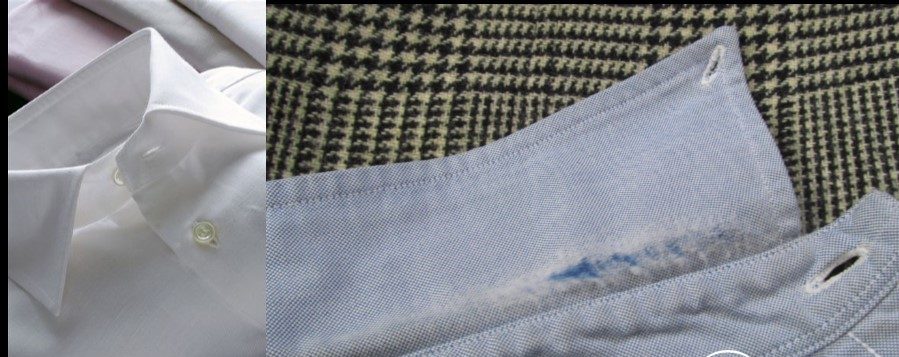
#TeachingTuesdays Try not to starch your shirts, it lessens the life of your shirt.
If one has sensitive skin, starch can be scratchy and irritating to the skin.
Starch can reduce the life of your clothes. The starch residue can settle into the clothing over time, which can cause threads to break and fray.
If you do have certain clothe , it is important to let them know if you want light, medium, or heavy starch applied. Certainly requesting light starch can help your clothes lifespan be longer but some people prefer heavier starch because the clothes are then stiffer after ironing. Starch is commonly applied when the clothes are being ironed after being dry cleaned.
#bespokesuits #BuccoCouture #customshirts #customsuits #dapper #mensfashion #menstyle #suitup #menswearclothing #mensstyleguide #Tuxedos #WeddingSuits #tailormade #menssuitstyle #Classicmenswear
Royal blue wedding tuxedos
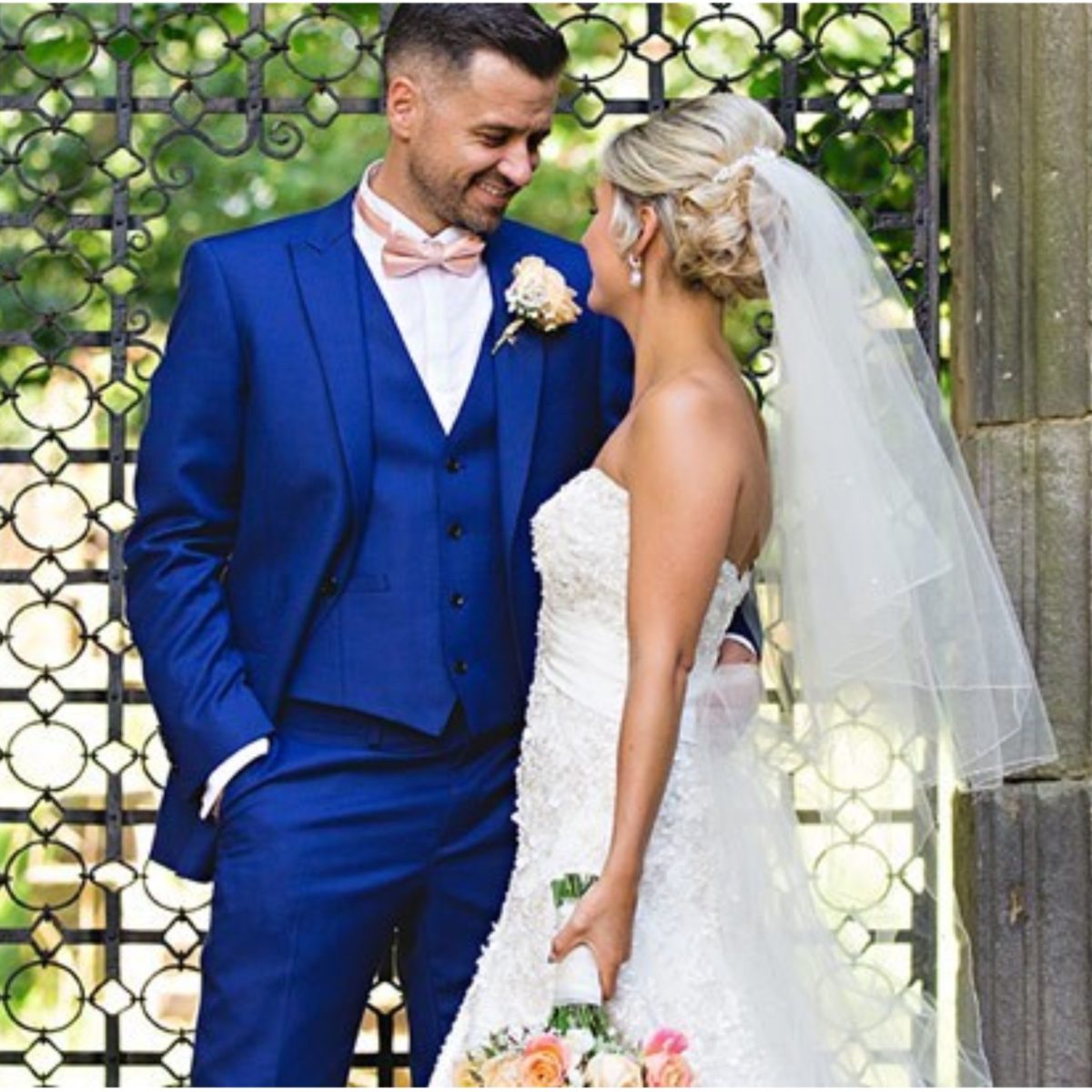
#Weddings There is nothing like a custom suit for that special day. Lighter blues are the most popular. You can add any color accessory and still look amazing.
When it comes to colors of tuxedos the mediterranean blue and royal blues are the latest colors for the groom and groomsmen. Try to compliment it with a matching vest so you don’t distract from the beauty of the look and just a colorful tie and handkerchief will complete the looks to compliment the bridesmaids.
#SheSaidYes #TheKnot #TuxedoSuits #WeddingInspiration #WeddingSeason #WeddingStyle #NYGroom #NJGroom
Click here to more from www.bucco.us